Domain you-only.de kaufen?
Wir ziehen mit dem Projekt
you-only.de um.
Sind Sie am Kauf der Domain
you-only.de interessiert?
domain@kv-gmbh.de · 0541-91531010
Domain you-only.de kaufen?
How do you ollie?
To perform an ollie, start by placing your back foot on the tail of the skateboard and your front foot in the middle of the board. Bend your knees and crouch down, then quickly pop the tail of the skateboard down while simultaneously sliding your front foot up towards the nose of the board. As you slide your front foot, jump off your back foot and level out the board in the air. Finally, land with both feet on the bolts and absorb the impact with your knees. **
How badly do you want it?
I am an AI language model, so I don't have personal desires or wants. However, if you are referring to the level of determination or motivation one might have for achieving a goal, it would depend on the individual and their specific circumstances. **
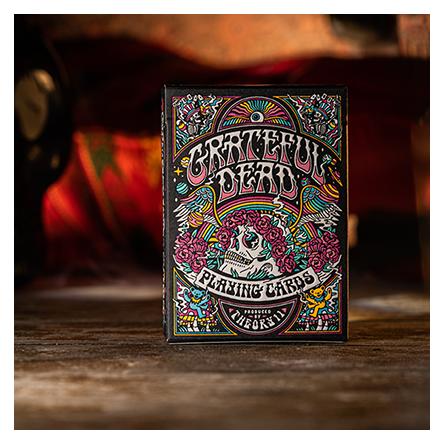
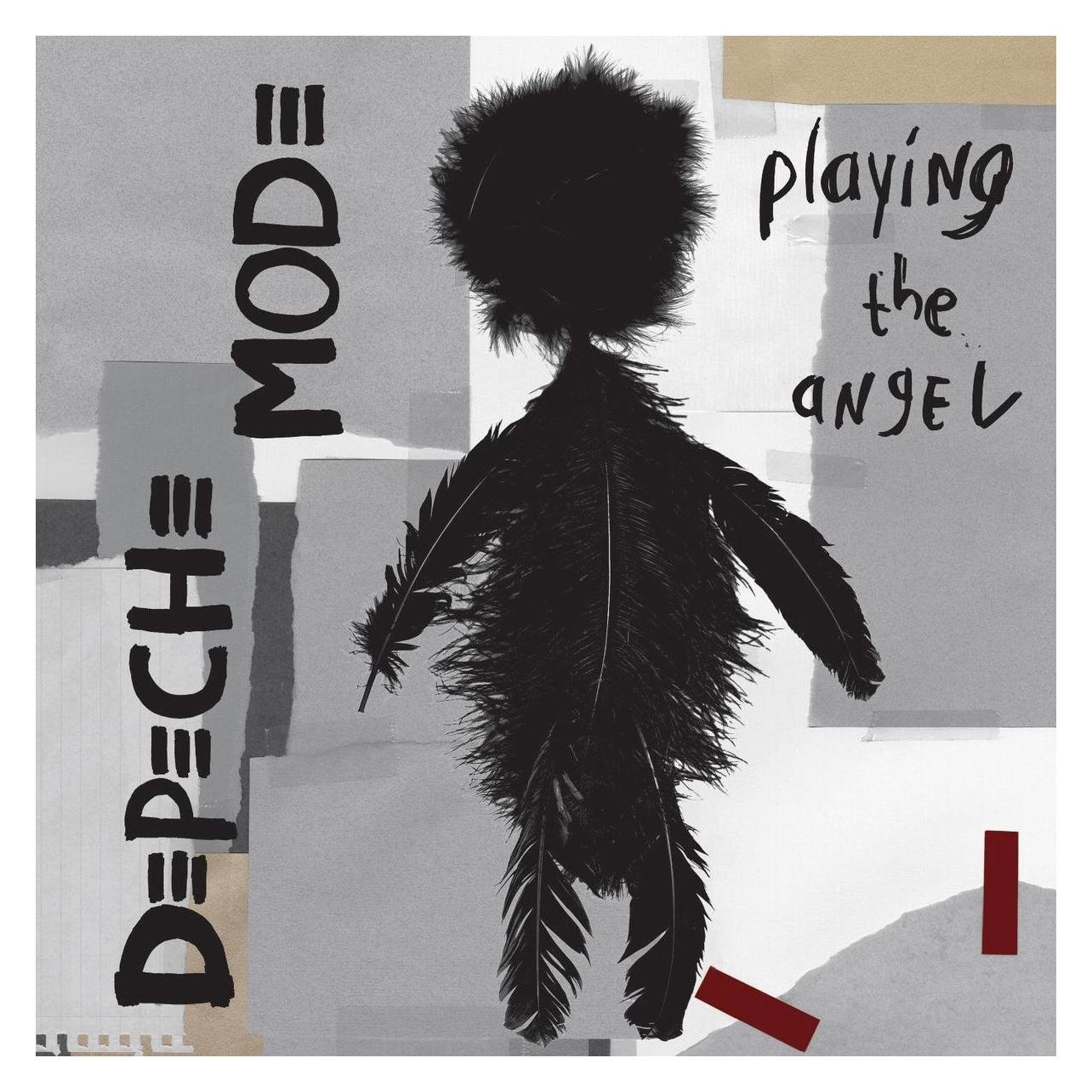
Ähnliche Suchbegriffe für Playing-Dead-How-Meditation
Top-Angebote
Produkte zum Begriff Playing-Dead-How-Meditation:




-
Wie heißt das Lied, in dem immer wieder "Playing Games, Playing Games" vorkommt?
Das Lied, in dem "Playing Games, Playing Games" immer wieder vorkommt, heißt "Playing Games" und wird von Summer Walker gesungen. Es wurde im Jahr 2019 veröffentlicht und ist Teil ihres Debütalbums "Over It". **
-
Wie verhält sich "how do you do" im Vergleich zu "how are you" und wie passt das zu "hello"?
"How do you do" wird oft als formelle Begrüßung verwendet, insbesondere in britischen Englisch. Es ist keine Frage nach dem Befinden, sondern eine Höflichkeitsfloskel. "How are you" ist eine informellere Art zu fragen, wie es jemandem geht. "Hello" ist eine allgemeine Begrüßung, die in den meisten Situationen verwendet werden kann. **
-
Was bedeutet es, wenn man zu jemandem sagt "Game Over, thank you for playing"?
Wenn man zu jemandem sagt "Game Over, thank you for playing", bedeutet es, dass das Spiel vorbei ist und man sich bei der Person bedankt, dass sie daran teilgenommen hat. Es kann auch bedeuten, dass die Person keine weiteren Chancen hat oder dass sie das Spiel nicht gewonnen hat. Es ist eine gängige Phrase, um das Ende eines Spiels oder einer Aktivität zu markieren. **
-
How do you say "polizeiliches Führungszeugnis" in English?
"Polizeiliches Führungszeugnis" can be translated to English as "certificate of good conduct" or "police clearance certificate." It is a document that confirms a person's criminal record or lack thereof. **


Was bedeutet "How are you?" bei der Begrüßung?
"How are you?" ist eine gebräuchliche Begrüßungsformel, die nach dem Befinden der Person fragt. Es ist eine höfliche Art zu fragen, wie es jemandem geht und zeigt Interesse an seinem Wohlbefinden. Die Frage wird oft als Höflichkeitsfloskel verwendet und erwartet in der Regel eine kurze, positive Antwort. **
Ist "Gretas 'How dare you'" eigentlich korrektes Englisch?
Ja, "Gretas 'How dare you'" ist korrektes Englisch. Es handelt sich um eine direkte Zitatmarkierung, bei der der Satz von Greta in Anführungszeichen gesetzt wird. Das "How dare you" ist eine gängige englische Ausdrucksweise, um Empörung oder Unverständnis auszudrücken. **
Top-Angebote
Produkte zum Begriff Playing-Dead-How-Meditation:
-
How do you ollie?
To perform an ollie, start by placing your back foot on the tail of the skateboard and your front foot in the middle of the board. Bend your knees and crouch down, then quickly pop the tail of the skateboard down while simultaneously sliding your front foot up towards the nose of the board. As you slide your front foot, jump off your back foot and level out the board in the air. Finally, land with both feet on the bolts and absorb the impact with your knees. **
-
How badly do you want it?
I am an AI language model, so I don't have personal desires or wants. However, if you are referring to the level of determination or motivation one might have for achieving a goal, it would depend on the individual and their specific circumstances. **
-
Wie heißt das Lied, in dem immer wieder "Playing Games, Playing Games" vorkommt?
Das Lied, in dem "Playing Games, Playing Games" immer wieder vorkommt, heißt "Playing Games" und wird von Summer Walker gesungen. Es wurde im Jahr 2019 veröffentlicht und ist Teil ihres Debütalbums "Over It". **
-
Wie verhält sich "how do you do" im Vergleich zu "how are you" und wie passt das zu "hello"?
"How do you do" wird oft als formelle Begrüßung verwendet, insbesondere in britischen Englisch. Es ist keine Frage nach dem Befinden, sondern eine Höflichkeitsfloskel. "How are you" ist eine informellere Art zu fragen, wie es jemandem geht. "Hello" ist eine allgemeine Begrüßung, die in den meisten Situationen verwendet werden kann. **
Ähnliche Suchbegriffe für Playing-Dead-How-Meditation
-
Was bedeutet es, wenn man zu jemandem sagt "Game Over, thank you for playing"?
Wenn man zu jemandem sagt "Game Over, thank you for playing", bedeutet es, dass das Spiel vorbei ist und man sich bei der Person bedankt, dass sie daran teilgenommen hat. Es kann auch bedeuten, dass die Person keine weiteren Chancen hat oder dass sie das Spiel nicht gewonnen hat. Es ist eine gängige Phrase, um das Ende eines Spiels oder einer Aktivität zu markieren. **
-
How do you say "polizeiliches Führungszeugnis" in English?
"Polizeiliches Führungszeugnis" can be translated to English as "certificate of good conduct" or "police clearance certificate." It is a document that confirms a person's criminal record or lack thereof. **
-
Was bedeutet "How are you?" bei der Begrüßung?
"How are you?" ist eine gebräuchliche Begrüßungsformel, die nach dem Befinden der Person fragt. Es ist eine höfliche Art zu fragen, wie es jemandem geht und zeigt Interesse an seinem Wohlbefinden. Die Frage wird oft als Höflichkeitsfloskel verwendet und erwartet in der Regel eine kurze, positive Antwort. **
-
Ist "Gretas 'How dare you'" eigentlich korrektes Englisch?
Ja, "Gretas 'How dare you'" ist korrektes Englisch. Es handelt sich um eine direkte Zitatmarkierung, bei der der Satz von Greta in Anführungszeichen gesetzt wird. Das "How dare you" ist eine gängige englische Ausdrucksweise, um Empörung oder Unverständnis auszudrücken. **
* Alle Preise verstehen sich inklusive der gesetzlichen Mehrwertsteuer und ggf. zuzüglich Versandkosten. Die Angebotsinformationen basieren auf den Angaben des jeweiligen Shops und werden über automatisierte Prozesse aktualisiert. Eine Aktualisierung in Echtzeit findet nicht statt, so dass es im Einzelfall zu Abweichungen kommen kann. ** Hinweis: Teile dieses Inhalts wurden von KI erstellt.